How To Get Your First Colony Of Bees In 2023
In this post we’ll look at 3 ways you can get your first colony of bees to begin beekeeping. These methods can of course also be used to grow your colonies.

#1 Buying A Colony Of Bees
This if often the first port of call for a new beekeeper as it appears to be the most accessible. Especially if you live in the city and wish to keep a few hives as a hobby.
A quick “bees for sale near me” search can yield a list of results for beekeepers selling hives with bees.
A few things to consider include:
- the reputation of the seller,
- the prevalence of bee-related diseases & pests in your area
- the type of bees you are buying
As for the reputation of the seller; no one wants to be duped. To avoid disappointment, look for a seller with great reviews, or ask for referrals.
When it comes to pests and diseases, this can be a bit more tricky. The best place to enquire would be with the South African Bee Industry Organisation (SABIO). They should be able to tell you the current level of concern regarding pests in a specific area.
The type of colony refers to the Apis mellifera scutellata and Apis mellifera capensis. These are the two species of bees we have in South Africa. A. mellifera capensis is limited to the Western Cape region and cannot be brought into the rest of the country. They will invade the wild and kept scutellata colonies resulting in the demise of those colonies. Unfortunately there are places in our country where the capensis bees have become a problem. Be sure to ask the seller if they know the status of their apiary.
#2 Removal & Relocation Of A Colony Of Bees
Not many people realise this, but bees are experts at finding the best places for comfortable living. Anywhere that’s dark, shielded from the elements and climate-controlled will make the perfect plush-living space for a colony of bees!
Unfortunately we humans don’t always agree with their choices. Often we end up with colonies moving into our ceilings, pool pumps, walls, drains, chimneys, postboxes, electrical boxes, cellphone towers, rubbish bins, bird baths, owl boxes, borehole shafts… you get the idea.

This could be the perfect opportunity for a new beekeeper to get a ‘free’ colony of bees. With a little bit of MacGyvering and some patience you can help remove a colony from an inconvenient place and relocate them to your apiary.
The best idea is to go for one that is on ground level. A removal can turn into a couple of hours spent looking for the queen and removing the combs. Be ready for some graft if this is the option you choose.
If you are lucky enough to find the queen, be sure to keep her in a queen clip. Leave the box next to the removal site for at least 24hours to give the bees a chance to settle in.
Remember to plug your hive entrances and relocate the hive at least 3km away form the removal site. Be sure to open the hive entrances again once you’ve repositioned your hive.
#3 Attracting A Colony Of Bees
This is by far the easiest and most reliable way to get a colony of bees. The only problem is, the internet is full of wives tales and snake oil potions for baiting your beehive.
Keeping it simple, and thinking a little practically can save you hours of frustration and disappointment.
Keep in mind, bees generally swarm when there is a surplus of food. So late spring & summer months will be the best time to do this. If you live in a more sub-tropical to tropical climate, you may experience swarming throughout the year. In KZN where we are we catch colonies July-August and November-February for the most part.

You will need
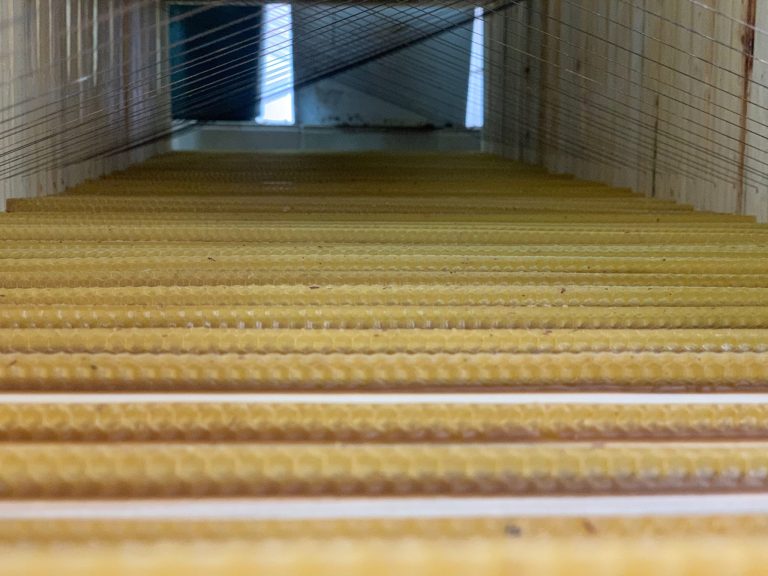
- Hive or trap box with frames that have embedded foundation strips
- Golf ball sized piece of beeswax
- Golf ball sized piece of propolis
- Container to melt in (That will become your beekeeping container)
- Paintbrush (That will become your bee box baiting brush…)
You’re going to use the beeswax and propolis to make the hive smell like a bee’s home. Melt the beeswax and propolis together. (use a container that you will dedicate to your beekeeping efforts because this is sticky stuff!) Smear the blend all over the inside walls of the hive box and some over the entrances to the hive. Replace the frames in the box & close the lid.
Place the box in an elevated position in your garden, away from too much foot traffic & pets. You also want to place it in an area with some morning sun and afternoon shade.
Within a few days (sometimes even hours) you will begin to notice bees coming to investigate. These are normally scouts. They will alert their colony that a suitable location has been found. Once the colony is ready to swarm, they will move into the hive.
This can take as long as a couple of months or even as short as a few hours, depending on the time of year that the box is placed out, the prevalence of bees in the area and the location of the hive box.
Notes to remember
Bees remain free agents. We can ‘keep’ them to a certain extent. Although there are means to force them to stay, it is always best to leave the choice up to them. The better you care for them, the better they will do.
Good beekeeping practices make for healthy, strong colonies that can provide you with years of enjoyment.
When you get your first colony of bees, don’t be afraid to spend some time looking around the hive and getting to know them. When you understand what’s happening in the hive, you can plan your interactions with the bees according to their needs.
Most of all, remember to have fun!
Yours in beekeeping,
Morgan and Louise