How to move hive with bees
Moving bees requires careful planning and execution to ensure the safety and well-being of the bees. Here is a step-by-step guide on how to move bees:
- Choose the right time: The best time to move bees is during the evening when most of the foraging bees have returned to the hive. This reduces the risk of losing bees during the move.
- Prepare the new location: Before moving the bees, make sure the new location is suitable for them. Ensure it has enough food sources, water, and sufficient shade in the heat of the day.
- Close the hive entrance: Seal the entrance of the hive with a screen or mesh material to prevent the bees from escaping during transit. Make sure the screen allows for adequate ventilation. Hives produced by Kingdom Bees have entrances designed to be closed with a standard bottle cap.
- Secure the hive: Ensure that the hive is securely closed and well-fastened to prevent any shifting or opening during transport. Use straps or bungee cords to keep the hive in place.
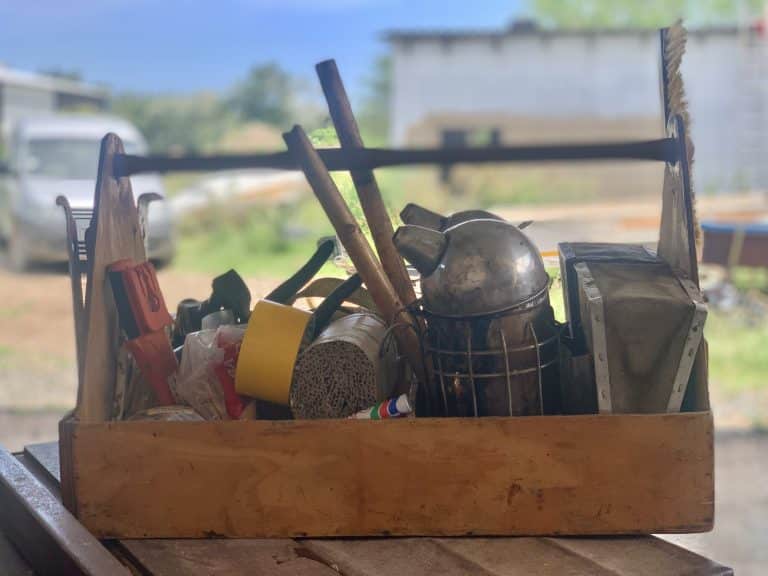
- Smoke the bees: To calm the bees and encourage them to cluster inside the hive, gently smoke the entrance of the hive and throughout the colony. This helps to mask alarm pheromones and make the bees less likely to sting.
- Move the hive: Carefully lift and transport the hive to the new location. Move it in a stable and level position to minimize stress on the bees. Avoid sudden movements or jarring that could disrupt the bees inside.
- Unload and open the hive: Once the hive is in its new location, carefully remove the securing straps and open the hive entrance. Allow the bees some time to acclimate to their new surroundings before disturbing them further. Bees will be seen doing orientation flights for a few days after transportation.
- Provide forage and water: Ensure that the bees have access to nearby sources of nectar and pollen. You may also provide a shallow dish of water near the hive to quench their thirst.
- Monitor the bees: Keep a close eye on the bees for the first few days after the move to ensure that they are adjusting well. Check for any signs of stress, disease, or problems with the hive.
Remember, moving bees should be done with caution and respect for the bees’ needs. It’s always a good idea to consult experienced beekeepers or local experts for specific guidance based on your beekeeping situation and location.